


Amazon Flex
4.66.30K Reviews
App Specs
- Version
- 3.138.1.29.0
- Updated On
- License
- Free
- Downloads
- 5,000,000+
- Developer
- Amazon Mobile LLC
- Categories
- Business
- Platform
- Android, iOS
Screenshots
 Analysis by AppCompare
Before signing up, I’d think through the practical side of delivery work rather than judging Amazon Flex only by its promise of flexible hours. A block still means planning a route, getting to the right place on time, and handling the stops in sequence. The app can guide that process, but it can’t make every shift equally convenient. For me, the best reason to consider it is having room in my week for delivery work and being comfortable with the uncertainty and effort that come with working on the road.
Where setup and scheduling can feel unclear
Hey there! So, I’ve been diving into the world of gig apps and decided to give Amazon Flex a spin. If you’re curious about making some extra cash, stick around, because this might just be your thing.
It helps to separate getting started from being ready to deliver. Signing up is one step; feeling prepared for a block is another. Before accepting work, I’d make sure I understand the app’s instructions and can comfortably use the phone I plan to take on the route. A delivery shift depends on checking directions and staying organized, so it’s worth getting familiar with the screens before time pressure enters the picture.
Amazon Flex is a free business app from Amazon Mobile LLC. It has a 4.5 average from around 79,000 ratings, and has passed five million installs. Those figures suggest it has drawn a substantial audience, but they can’t tell you whether local blocks fit your schedule or whether the driving suits you. I’d treat the app’s broad popularity as context, not a promise of steady work or a particular experience in every area.
Getting Started with Amazon Flex
First off, downloading the Amazon Flex app is a breeze. It’s available on both Android and iOS, so you’re covered no matter what device you’re rocking. Once you’ve got it installed, the signup process is pretty straightforward. You’ll need to fill out some basic info and go through a background check. Don’t worry, it’s not as scary as it sounds!
For a smoother start, I’d check the basics before trying to troubleshoot anything complicated: confirm the app has finished installing, that the phone’s operating system is compatible, and that the device has a reliable connection when you’re completing setup. The Android version requires Android 11 or later. If a screen seems stuck, first give the app time to load and check the connection; repeatedly restarting a signup step can make it harder to tell what actually happened.
The current version is 3.129.6.23.0, and the app is rated for Everyone. That makes it broadly accessible as software, but delivery work itself still asks for practical judgment, attention while driving, and comfort with navigation. I wouldn’t confuse an Everyone content rating with a guarantee that the job is suitable for every person or every schedule.
Worth Reading Before You Choose

Baby Panda World Brings Quick Play to Modern Phones, but Its Game Library Feels Busy

ESPN’s Live Game View Makes Following Close Games Easier

QuizzLand Review: A Good Fit for Short Trivia Breaks, Not Every Player

Basketball Stars: Multiplayer Is Fast, but Can It Recover When Matches Go Wrong?

WEBTOON Turns Phone Updates Into a Better Reading Routine

Link to Windows Runs on Shared Habits, Not Social Feeds
After you’re all set up, you can start picking up delivery blocks. This is where the app really shines. You get to choose when you want to work, which means you can easily fit it into your schedule. Need a couple of hours to run errands or catch up on Netflix? No problem, just pick up a block that works for you.
In practice, flexibility is most useful when I treat a block as a real appointment rather than a loose gap in the day. I’d leave room around it for getting ready, reaching the starting point, and winding down afterward. A block that appears to fit between two other commitments may be a poor choice if there’s no breathing space for traffic or an unexpectedly slow stop.
The Delivery Experience
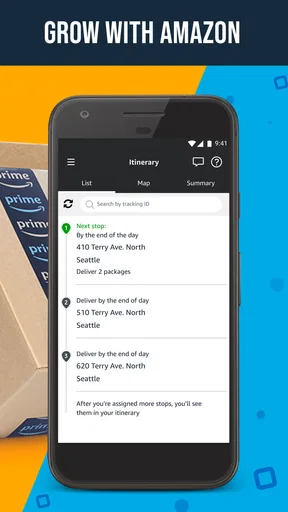
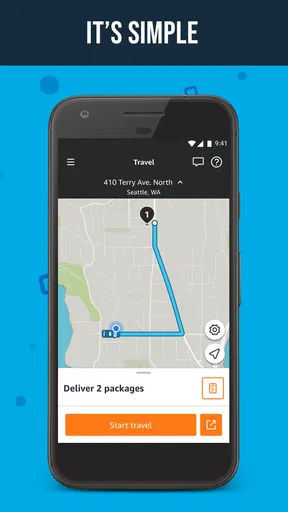
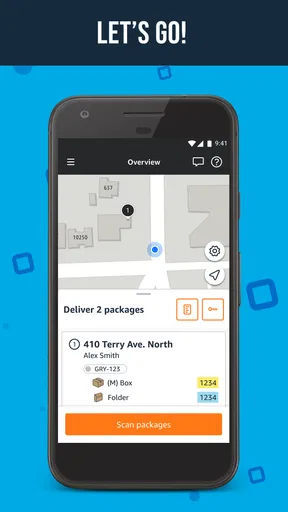
Now, let’s talk about actually making those deliveries. Once you’ve accepted a block, the app guides you through the whole process. It’s super intuitive, giving you step-by-step directions and even notifying you when you’re close to your destination. I found the GPS navigation pretty reliable, which is a big win.
A useful habit is to review each instruction before moving on, instead of trying to remember several stops at once. That small pause helps keep the route organized and reduces the temptation to interact with the phone while driving. I’d pull over somewhere safe whenever I need to sort out a direction or confirm what comes next; saving a little time is never worth dividing attention on the road.
Navigation is a guide, not a substitute for checking the real-world situation. A pin or route can get me near an address, but I still need to read the surroundings and make sensible decisions about where to stop. If a direction seems wrong, I’d pause safely and reassess rather than follow it blindly. This is one of the trade-offs of app-guided delivery: the route can reduce mental load, but the driver remains responsible for safe choices.
One ordinary scenario makes the workflow clearer. Imagine I’ve chosen a block on a day with a few free hours. I check that my phone is ready, set aside enough time to reach the start, and follow the app’s directions from stop to stop. If a navigation prompt doesn’t match what I see, I don’t try to fix it while moving; I stop safely, check the next instruction, and continue only when the route makes sense. That kind of calm recovery is more useful than expecting every step to go perfectly.
One thing I really appreciated was the flexibility. If something comes up and you can’t make your block, you can easily drop it. Just make sure you do it in advance to avoid any penalties. The freedom to manage your time is definitely one of the app’s standout features.
That flexibility has a boundary: accepting a block means planning to follow through, and cancelling late can have consequences. I’d avoid reserving work as a placeholder while waiting to see whether other plans appear. If my day is too uncertain, it’s better to leave the block for someone who can commit than to rely on a last-minute change.
Earnings and Tips
Let’s get to the part everyone’s most interested in—how much you can earn. The pay is competitive, with Amazon stating you can make between $18 to $25 an hour. Plus, you get to keep 100% of the tips you earn. Not too shabby, right?
I’d be cautious about turning an hourly figure into a personal guarantee. The practical value of a block depends on how it fits the day and what it takes to complete it, including time spent preparing and travelling. Before relying on delivery income for a fixed bill, I’d first learn how the work feels in my own circumstances and keep expectations flexible. A headline earning range can be encouraging, but it doesn’t replace budgeting around actual experience.
In my experience, the more efficient you are with your deliveries, the more you can potentially earn. It’s all about finding a rhythm that works for you. There’s also a nice little feature where you can track your earnings directly in the app, keeping everything transparent and easy to manage.
Efficiency, to me, shouldn’t mean rushing. It means staying organized, understanding the app’s sequence, and avoiding preventable confusion at each stop. If I notice that I’m repeatedly losing time because I’m unprepared, I’d adjust my routine before accepting more work: get comfortable with the app’s workflow and make sure I can focus on the route. That kind of improvement is more sustainable than trying to drive faster.
When the app may not be the problem
If something goes wrong during a shift, I’d first work out whether it’s an app issue or a situation around the delivery. A slow screen may call for checking the connection and waiting for it to respond. A confusing direction may call for stopping safely and looking at the route again. A delay at a location, meanwhile, may have nothing to do with the software. Separating those cases keeps me from repeatedly closing and reopening the app when the real issue is elsewhere.
If the phone is behaving normally but a particular step remains unclear, I’d reread what the app is asking for and avoid making assumptions just to move ahead. If the difficulty is about a block, a route, or a delivery circumstance rather than the device, restarting the app may not help. The practical lesson is simple: identify what is actually stuck before trying a fix, and don’t let troubleshooting distract you while driving.
Amazon Flex also differs from a general courier or task-work app in an important way: it centers the work around Amazon delivery blocks and an app-led delivery workflow. A broader gig platform may make more sense for someone who wants to compare unrelated kinds of jobs in one place. On the other hand, someone specifically interested in delivering with Amazon may prefer a focused tool over juggling different task listings. The right choice depends on whether the block-based structure matches your availability.
Who is likely to enjoy it?
I think this app is best suited to someone who wants delivery work to fill selected stretches of free time, can plan around a block, and is comfortable following navigation while staying attentive to real-world conditions. It may also suit people who prefer a defined work period to searching through many unrelated gig categories. I’d be less enthusiastic about it for someone who needs a guaranteed routine, dislikes driving, or has a schedule that changes at the last minute.
It’s also worth asking what you want from a side job. If you enjoy being on the road and can protect time for a shift, the app’s guided process and scheduling approach may feel manageable. If you need work that can be paused at any moment or completed entirely from home, this is plainly not the right fit. The freedom here is about choosing among delivery work opportunities, not making every part of the job effortless.
Final Thoughts
So, is Amazon Flex worth it? I’d say it definitely is if you’re looking for a flexible side hustle that lets you be your own boss. The app is user-friendly, the pay is decent, and you get the freedom to work when you want. Just remember, like any gig job, it’s best when you have a plan and can manage your time effectively.
My recommendation comes with a practical condition: start with realistic expectations and give yourself time to learn the delivery flow. Don’t judge the whole experience by one confusing screen or assume that a flexible schedule means no commitment once you accept a block. A little preparation, safe pauses when directions need attention, and honest planning around your day make a real difference.
Go ahead and give it a try if you’re curious. You might just find it’s the perfect way to add a little extra to your wallet while keeping life on your terms. Happy delivering!
Pros
- Flexible hours for independent work
- Opportunity to earn extra income
- Simple user interface
- Real-time delivery tracking
- Access to instant payouts
Cons
- Limited delivery blocks available
- No guaranteed income
- Wear and tear on personal vehicle
- Fuel and maintenance not reimbursed
- Customer support can be slow
FAQs for Amazon Flex
What is Amazon Flex and how does it work?
Amazon Flex is a delivery program that allows individuals to deliver Amazon packages using their own vehicles. Drivers, known as delivery partners, select available shifts (or "blocks") through the app, pick up packages from specified locations, and deliver them to customers. It's a flexible way to earn money with a schedule that fits your availability.
What are the requirements to become an Amazon Flex driver?
To become an Amazon Flex driver, you need to be at least 21 years old, have a valid driver's license, and own a reliable vehicle. Additionally, you must have an Android or iOS smartphone with the Amazon Flex app installed. A background check is also required to ensure safety and reliability.
How much can I earn with Amazon Flex?
Earnings with Amazon Flex vary based on location, time, and the number of deliveries completed. Typically, drivers earn between $18 to $25 per hour. Factors such as distance, time spent on deliveries, and tips can influence your total earnings. The app provides an estimate of earnings before you accept a delivery block.
What are the pros and cons of working with Amazon Flex?
Pros include flexibility in choosing your schedule, the ability to earn extra income, and the ease of use of the app. Cons may include variable earnings, wear and tear on your vehicle, and the need to navigate traffic and weather conditions. Drivers should weigh these factors before joining.
How do I get started with Amazon Flex?
To get started, download the Amazon Flex app from the Google Play Store or the Apple App Store. Complete the application process, which includes providing your personal details, vehicle information, and passing a background check. Once approved, you can start selecting delivery blocks and begin earning.


